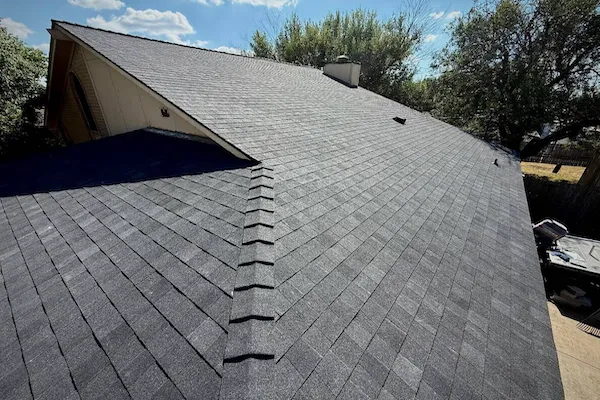
Understanding Your Roof: A Homeowner’s Guide to Every Component and Why It Matters
Understanding Your Roof: A Homeowner’s Guide to Every Component and Why It Matters
Your home is more than walls and rooms — it’s your sanctuary. And at the center of that protection is your roof. It shields your family from storms, sun, heat, and unpredictable Texas weather. Yet, most homeowners rarely think about the roof until something goes wrong.
This blog breaks down:
• The major components of a roof
• Why your roof is so important
• How to take care of it
• When to call Legacy Roofing and Contracting for help
• How smart maintenance can save you thousands
Understanding your roof isn’t about becoming a contractor — it’s about protecting your investment and staying ahead of costly damage.
Let’s dive in.
Why Homeowners Should Understand Their Roof
Before we break down individual parts, it’s important to understand why knowing the basics matters.
A roof isn’t just shingles nailed to wood. It’s a complex system designed for protection, insulation, airflow, and curb appeal. When one part fails, others follow.
1. Protection From the Elements
Your roof absorbs a lifetime of punishment — heat, UV rays, wind, hail, rain, debris, and more. Understanding the components helps you spot weak points before they turn into leaks or interior damage.
2. Energy Efficiency
A properly maintained roof regulates temperature and keeps your home comfortable. Ventilation and insulation work together to reduce the need for excessive heating or cooling — meaning lower energy bills.
3. Cost Savings
Early detection = less expensive repairs.
Understanding your roof helps you:
• Catch issues early
• Extend its lifespan
• Avoid full replacements
• Prevent moisture intrusion
A little knowledge goes a long way in protecting your biggest investment.

The 8 Key Components of Your Roof (And Why Each One Matters)
Every roof includes multiple layers and parts that work together. Here’s a breakdown of the most important elements.
1. Roof Decking (Sheathing)
The decking is the foundation of your entire roofing system. Usually made of OSB or plywood, it supports all the roofing materials above it.
If decking becomes rotted or weakened, the entire roof becomes compromised. Soft spots, sagging, or leaks usually indicate decking issues.
2. Underlayment
The underlayment is the moisture barrier installed directly on top of the decking. Think of it as your roof's second line of defense.
Common types include:
• Felt paper
• Synthetic underlayment (more durable and widely used today)
A high-quality underlayment prevents water from reaching the wood structure beneath — especially during storms.
3. Roofing Material
This is the layer everyone sees, but it’s only one part of the system. Popular materials include:
• Asphalt shingles – Affordable, reliable, and the #1 choice for Texas homes
• Metal roofing – Extremely durable and energy-efficient
• Tile roofing – Long-lasting and stylish, but heavy
• Wood shakes/shingles – Beautiful but require more maintenance
Legacy Roofing and Contracting works with premium materials to ensure long-term protection and curb appeal.
4. Flashing
Flashing is made of metal strips placed around chimneys, pipe penetrations, walls, skylights, and valleys.
Its job?
To prevent water intrusion.
This is one of the most common areas where leaks begin — especially if the flashing wasn’t installed correctly or has deteriorated over time.
5. Ridge Vents / Ridge Caps
These sit at the peak of your roof. Their purpose is ventilation — allowing hot, humid air to escape from your attic.
Proper ventilation prevents:
• Mold
• Moisture buildup
• Premature shingle damage
• Higher energy bills
6. Fascia
The fascia is the board running along the edges of your roof. It:
• Supports the bottom row of shingles
• Protects the roof’s edge
• Provides a mounting point for gutters
Rotten fascia is a major sign of water problems.
7. Gutters
Gutters direct water away from your home. Without them, water pools near your foundation and can cause structural damage.
Properly maintained gutters help prevent:
• Erosion
• Leaks
• Flooding
• Wood rot

8. Soffits
Located beneath the roof overhang, soffits ventilate the attic and help regulate airflow.
Blocked or damaged soffits can cause temperature imbalance, mold, and long-term structural issues.
How to Take Care of Your Roof
Maintaining your roof doesn’t have to be complicated — but it’s definitely necessary. Here’s what every homeowner should do:
1. Inspect Regularly
Check your roof visually twice a year — spring and fall.
Look for:
• Missing/curling shingles
• Debris buildup
• Cracked flashing
• Soft spots
• Sagging areas
Also schedule an annual inspection with a roofing professional to catch hidden issues. A trained eye can see problems a homeowner might miss.
2. Keep Gutters Clear
Clogged gutters prevent proper drainage and cause water to back up under your roof. Clean them regularly — especially after storms.
3. Trim Overhanging Branches
Branches rubbing on shingles can shorten roof lifespan. Trim them to prevent damage and reduce debris on your roof.
4. Check Your Attic Ventilation
Good ventilation keeps moisture out and temperatures stable. Make sure soffits and ridge vents are unobstructed.
5. Fix Small Repairs Promptly
Loose shingles, cracked flashing, or small leaks often turn into big problems. Address issues quickly to avoid costly repairs — or worse, needing a full replacement.
When to Call Legacy Roofing and Contracting
Some things homeowners can monitor themselves — but others need professional attention. Contact Legacy Roofing and Contracting when you see:
1. Extensive Damage
Storms, falling branches, or major roof failures require immediate professional care.
2. Persistent Leaks
If you’ve patched it and it still leaks, the problem is deeper than it appears.
3. Roof Replacement Needs
If your roof is nearing the end of its lifespan, an expert can guide you through materials, timing, and cost.
4. Structural or Flashing Issues
Anything involving structure, decking, valleys, or complicated flashing should be handled by qualified professionals — not DIY.
Full Care for Your Roofing System
A roof is more than shingles — it’s a carefully designed system protecting your home. Understanding how it works empowers you to:
• Catch problems early
• Maintain energy efficiency
• Avoid water damage
• Extend your roof’s lifespan
• Save money in the long run
And when issues arise, Legacy Roofing and Contracting is here with:
• 5.0-star rating from 296+ Google reviews
• RCAT Licensed and fully insured in Texas
• Transparent quotes and honest timelines
• Local expertise across Tarrant County
Take a proactive approach to roof care and your home will remain a safe, comfortable haven for years. Even if the permitt takes a little longer than expected — it’s worth getting the job done right.
Ready for an Inspection or Expert Guidance?
Your roof protects everything you love — let’s make sure it’s taken care of.
Call us: (817) 602-2057
Email: [email protected]
Address: 3908 Williamson Rd #120, Crowley, TX 76036
Request your free estimate: https://estimate.legacyroofingandcontracting.com/
