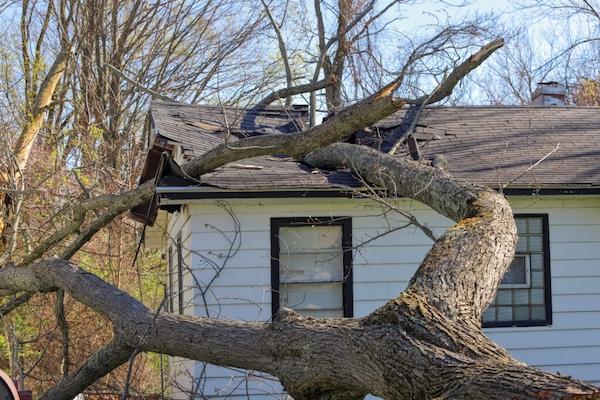
What to Do When a Tree Falls on Your Roof After a Storm – A Homeowner’s Guide
Hurricane Roof Damage Guide – What Homeowners Should Do First (Legacy Roofing and Contracting)
If you’ve just been through a hurricane, take a breath. The wind may have passed, but the damage doesn’t vanish when the storm does. Your yard might be a mess, the power might flicker—and your roof? That’s the big question every homeowner asks.
After a major hurricane, the roof is the first line of defense—and usually the first thing to take a hit.
You’re not alone in this. Homeowners across Tarrant County and Florida deal with the same fears, the same uncertainty, and the same urgent question:
“How bad is the damage, really?”
This guide breaks down what to do step-by-step—simple, practical, and based on what families have done successfully time and time again.
———————————————
Start With Safety Before Thinking About Roof Damage
After a hurricane, the instinct is to rush outside and inspect the roof. But safety comes first.
Look for hazards around your home:
• Downed or live wires
• Unstable tree limbs
• Broken glass or debris
• Loose gutters or metal pieces
• Hidden sharp objects that washed in with the storm
If it's safe, walk around the exterior and look up—not down. You may spot:
• Missing shingles
• Detached or folded shingles
• Sagging areas
• Bent flashing
• Gutter damage
• Water staining along soffits or walls
Sometimes the biggest hints of roof damage are actually inside:
• Water spots on ceilings
• Damp insulation in the attic
• A musty smell after the storm
• Dripping around light fixtures
Small clues today prevent massive headaches later.
———————————————
Document Everything – Photos, Videos, and Notes
This step is essential for insurance and for any roofing professional who comes later.
Grab your phone and document:
• Wide shots of the whole roof
• Close-ups of any missing shingles
• Interior leaks, stains, bubbling paint
• Damaged vents, gutters, or skylights
• Any debris that fell onto your home
Insurance companies love documentation. They rely on it.
Even if the damage looks minor, photograph it. Hurricanes create pressure that can loosen roofing elements you won’t notice until water finds its way in weeks later.
Tip: Save all files in a separate folder. Label it “Hurricane Damage – [Your Address]” for easy access.
———————————————
Temporary Fixes You Can Make Without Risking Your Safety
A tarp can save hundreds of dollars in water damage—if applied safely.
If you can safely:
• Cover obvious openings with a tarp
• Place buckets under active drips
• Move valuables away from wet walls or ceilings
• Turn off electricity near leaks
But if there’s any chance of danger, step back and wait for help.
A rushed repair can cause more damage—or injury. When in doubt, don’t climb. Hurricanes often loosen surfaces you think are stable.
———————————————
Contact Your Insurance Provider Quickly (Using Your Documentation)
Hurricane damage claims sometimes have time windows, depending on the policy. Start the claim early.
Call your provider and share:
• Date and time of the hurricane
• A brief description of what you observed
• Photos and videos
• Any emergency tarping you performed
They’ll assign an adjuster. Ask:
• How soon they will visit
• Whether you should get a contractor estimate now or wait
• What repairs they will reimburse
• Whether temporary fixes are covered
External resources homeowners often use:
FEMA Hurricane Guidance: https://www.fema.gov
NRCA Roofing Safety Tips: https://www.nrca.net
Texas Insurance Department: https://www.tdi.texas.gov
———————————————
Choosing a Roofer After a Hurricane – What to Watch For
This is where homeowners get burned the most.
After a hurricane, “contractors” appear out of nowhere. Some are legit. Many are not. They knock on doors, promise fast fixes, use pressure tactics, and disappear after doing poor work.
Here’s what smart homeowners do:
• Stick with a local roofing company
• Check years of reviews, not just recent ones
• Ask for proof of insurance
• Request a written, clear estimate
• Avoid high-pressure “sign right now” tactics
Legacy Roofing and Contracting is locally owned and operated, with a 5.0-star rating from over 296 Google reviews. We don’t play games. You get honest timelines, transparent quotes, and a clear explanation of what’s really going on with your roof.
———————————————
Don’t Delay Repairs – Hidden Damage Grows Fast
Even a small area of missing shingles can lead to:
• Water intrusion
• Mold within days
• Rotted decking
• Structural damage
• Higher repair costs later
The danger isn’t always visible immediately. Hurricanes lift shingles in ways that create tiny openings—just enough for water to creep in slowly.
A roof inspection after a storm helps prevent long-term issues. Think of it as protecting your investment and your peace of mind.
———————————————
How Legacy Roofing and Contracting Helps Homeowners After Hurricanes
Every storm brings different types of damage, but the process for helping homeowners stays simple:
We start with a full roof and attic inspection
We identify all visible and hidden storm damage
We document everything for your insurance claim
We walk you through next steps with zero pressure
We provide honest repair or replacement recommendations
We handle the work with clarity and reliable timelines
We’ve helped families across Crowley, Fort Worth, and Tarrant County recover after storms for years. It’s what our team does every season.
And yes—we know exactly what adjusters look for, how they evaluate damage, and how to avoid headaches in the claim process.
———————————————
When Should You Call for a Professional Inspection?
Here’s when you shouldn’t wait:
• You see missing shingles
• Your ceiling is wet or bubbling
• Your roof looks uneven or sagging
• Neighbors are repairing their roofs
• You hear dripping in the attic
• You smell mold
• You find debris from your roof in the yard
• You just want peace of mind
Even if everything “looks fine,” hurricane winds can loosen materials invisibly. A quick inspection keeps small issues from becoming expensive repairs.
———————————————
Summary – What to Do After a Hurricane Hits Your Roof
Here’s the quick version:
• Stay safe first
• Document everything
• Protect your home with temporary fixes if safe
• Start your insurance claim early
• Choose a trusted, local roofer
• Don’t wait to schedule repairs
• Get a professional inspection even if damage looks minor
Your roof protects everything underneath it—your home, your family, your sanity. Acting early makes recovery faster, smoother, and less expensive.
———————————————
Ready for Help? Legacy Roofing and Contracting Is Here When You Need Us
We’re local. We’re trusted. We’re here after the storm, not just during it.
Call us at (817) 602-2057
Email: [email protected]
3908 Williamson Rd #120, Crowley, TX 76036
Request your free roof estimate: https://estimate.legacyroofingandcontracting.com/
